
Soil Health
Soil health is the foundation to healthy ecosystems and successful agriculture. Five essential functions of soil are regulating water, sustaining plant and animal life, filtering and buffering potential pollutants, cycling nutrients, and providing physical stability and support. In the Grand Valley, soils are shaped by Mancos Shale and alluvial deposits, creating a mix of fertile terraces and areas challenged by salinity, alkalinity, and variable drainage. These unique properties make careful management of irrigation, organic matter, and nutrient inputs especially important for sustaining agriculture and natural habitats.
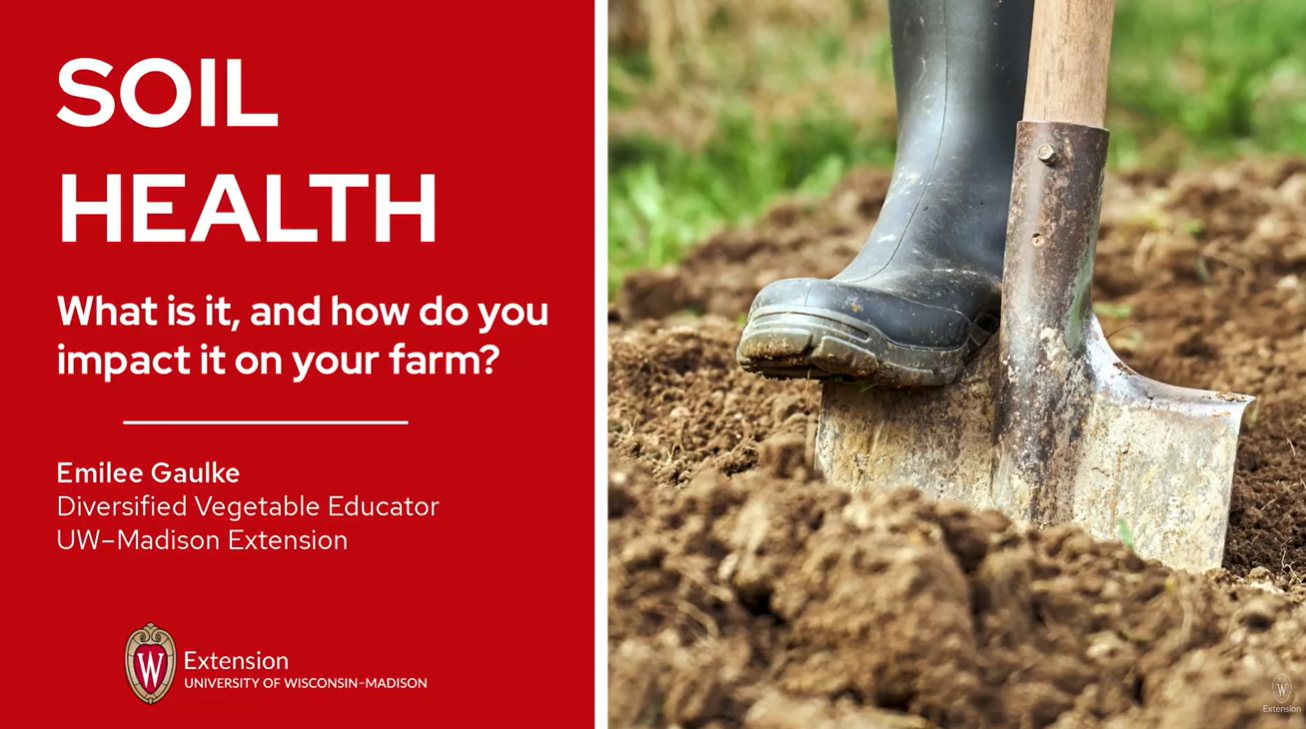
Click the photo above to watch video.
Principles of Soil Health
-
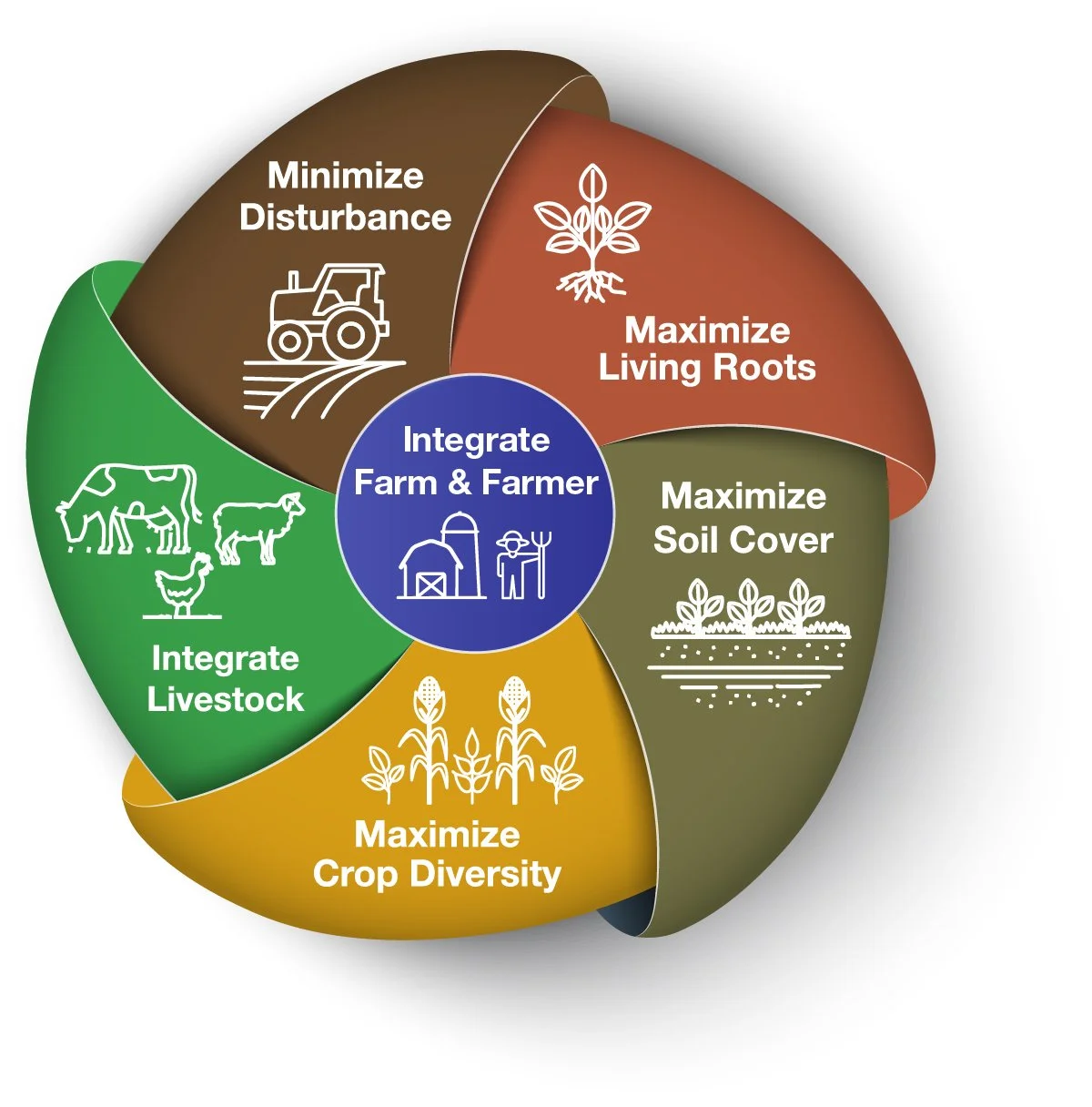
Reduced tillage/no-till can aid in plant growth, reduce soil erosion, and provide important wildlife habitat. It also improves soil stability and reduces soil erosion
-
Keeping soil covered with cover crops, annual crops, crop residues, and perennial crops protects soil from wind and water erosion. It allows for an environment that sustains and nourishes plants, soil microbes, and beneficial insects and pollinators.
-
Living roots provide the easiest source of food for soil microbes, feeding the soil food web. Living roots present in the soil allow for land stability, protection against soil compaction, nutrient cycling within the soil, and erosion control.
-
Diversity above ground improves diversity within the soil, which creates healthy, productive soils. Planting a variety of species is necessary to improve biodiversity. Lack of biodiversity limits soil potential and increases disease and pest problems. Biodiversity is vital to healthy soil, meaning it is vital to successful agriculture and ecosystems.
-
Livestock grazing can increase soil organic matter which improves soil fertility and creates a nutrient-rich environment. Livestock grazing also reduces crop and cover crop waste, can help prepare soil for crops with grazing cover crops, removes weeds, and reduces pests.
Soil Amendments
A soil amendment is any material added to soil to improve its physical properties, such as water retention, permeability, drainage, and aeration, ultimately enhancing soil fertility and overall health for better plant growth. Common soil amendments include organic matter, minerals, and chemical substances that address specific soil issues like nutrient deficiency or poor structure.
