Fire Ecology
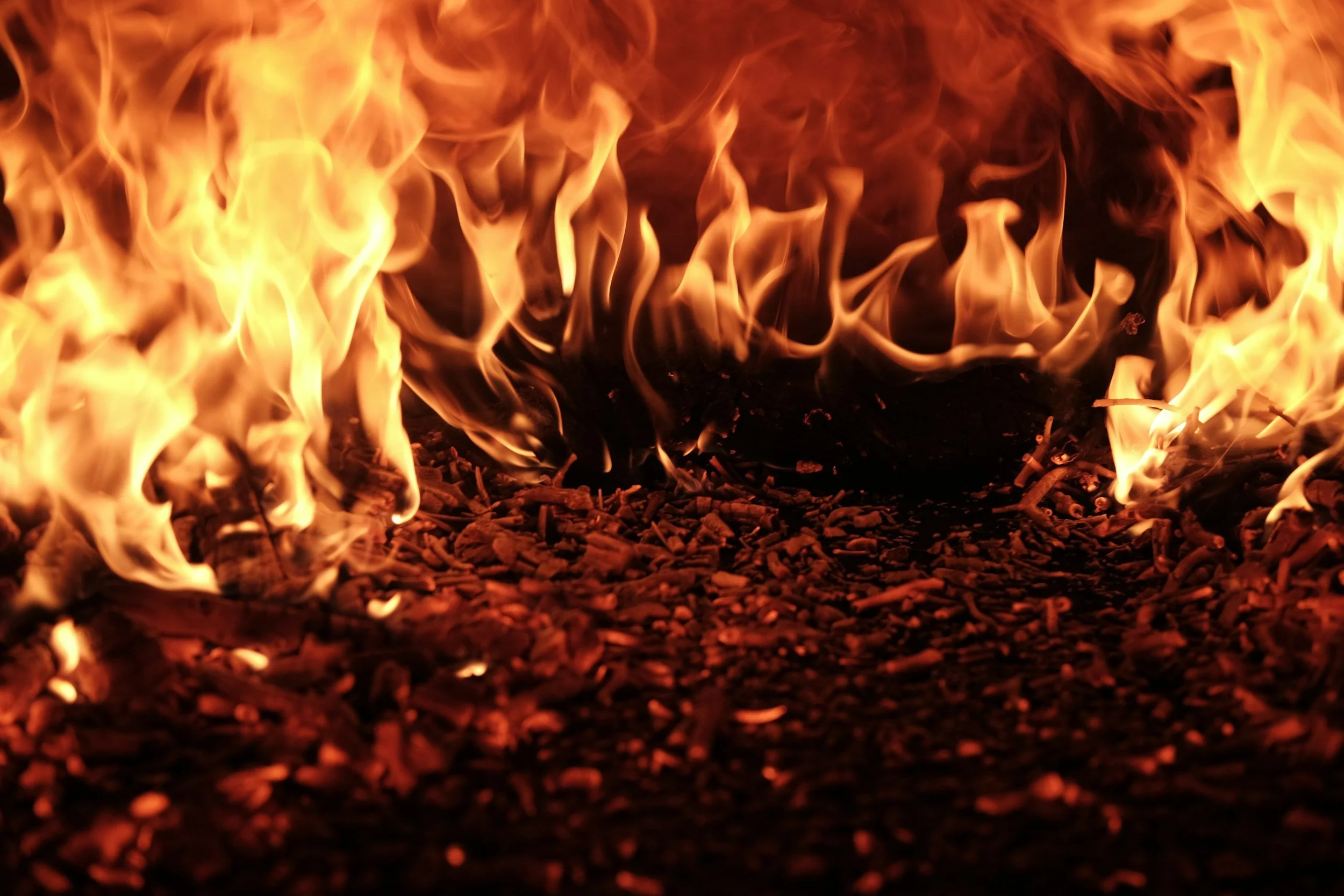
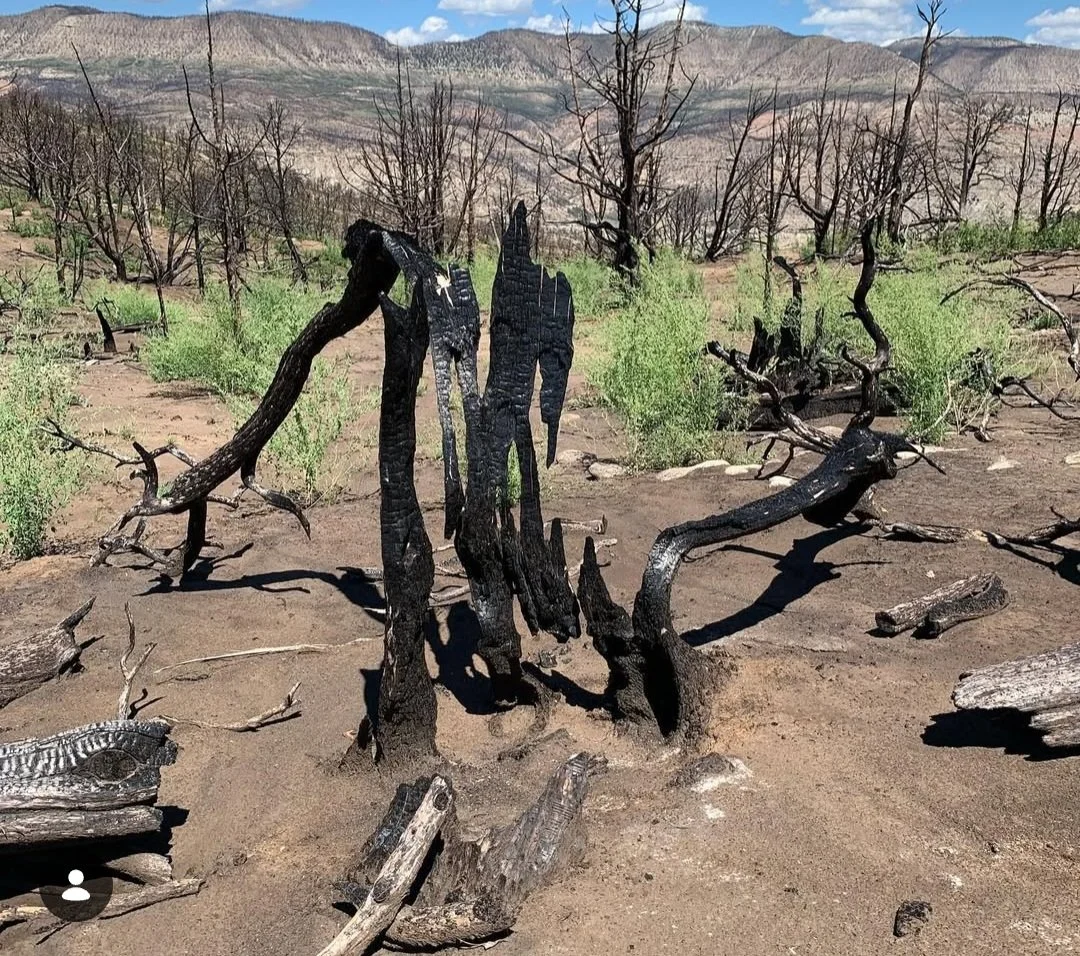
The Western Slope of Colorado experienced severe fires in 2025, marking the worst fire year in Colorado since 2020 in terms of wildfire damage. Wildfires are devastating to areas, destroying structures and land, and the loss of life.
Fire ecology is the study of how fire affects ecosystems. Valuable work is done before, during, and after fires. Many organizations provide data, information, and resources to best prevent, manage, and control fires. Fire can affect the ecosystem in many different ways, impacting wildlife, vegetation, water quality, air quality, soil, and structures. Wildfires cause damage, but fire can be used as a tool to mitigate against severe fires and can be beneficial to ecosystems.
-
Wildfires are a large risk to Western Colorado. In 2020, Colorado saw its worst fire year in history with over 625,000 acres burned. In 2025, we saw the second worst fire year in Colorado’s history, with over 200,000 acres burned. In 2025, the Turner Gulch fire impacted land and producers within Mesa Conservation District.
-
The two leading causes to wildfires are human-caused or lightning-caused.
Rising temperatures, drought, and climate change have led to increased wildfire activity and more severe fires. Mesa County has been in severe to extreme drought conditions that create higher wildfire risk.
-
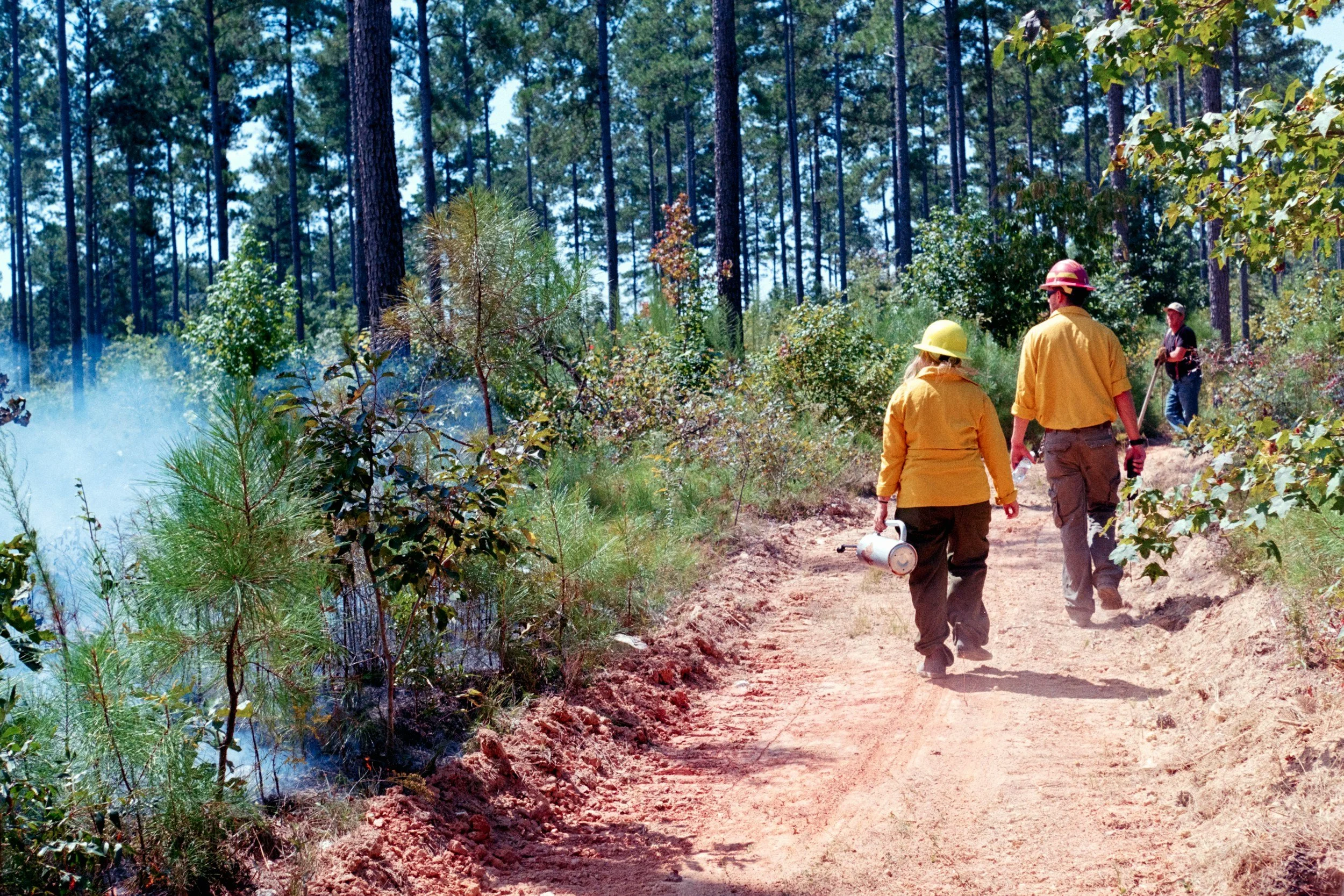
Fire has been used as a tool for many generations. Native Americans and other Indigenous peoples have used fire to manage vegetation and wildlife species, to hunt, to clear land for crops, and to clear excessive cover or fuel to prevent wildfires. This practice of controlled or prescribed burns is used widely as a wildfire prevention and management tool.
Partners & Resources
Colorado BLM Fire Information
Association for Fire Ecology
National Park Service Indigenous Fire Practices
Mesa County Burn Permit Information
National Interagency Fire Center Statistics
West Region Wildfire Council
Colorado Division of Fire Prevention & Control
Two Rivers Wildfire Coalition
Mesa County Community Wildfire Protection Plan
Colorado State Forest Service Grants and Funding
USGS: Wildfire and Climate Change
ECOburn LLC