Clean Air
Clean air is the foundation of a healthy community, a thriving environment, and successful agriculture. When the air is free from harmful pollutants such as smoke, chemicals, or dust, it supports strong lungs, eases stress on the heart, and helps us feel more energized and alert. Beyond human health, clean air plays a critical role in agriculture by supporting healthy crops, productive soils, and resilient livestock. Air free from excess pollutants helps plants grow stronger, reduces stress on animals, and protects the natural systems farmers and ranchers rely on.
At Mesa Conservation District, we recognize that clean air is vital not just for people, but for the land, water, and agricultural systems that sustain our community. Through conservation practices that limit dust, reduce smoke impacts, and promote healthy landscapes, we work to ensure that clean air remains a shared resource for current and future generations.
-
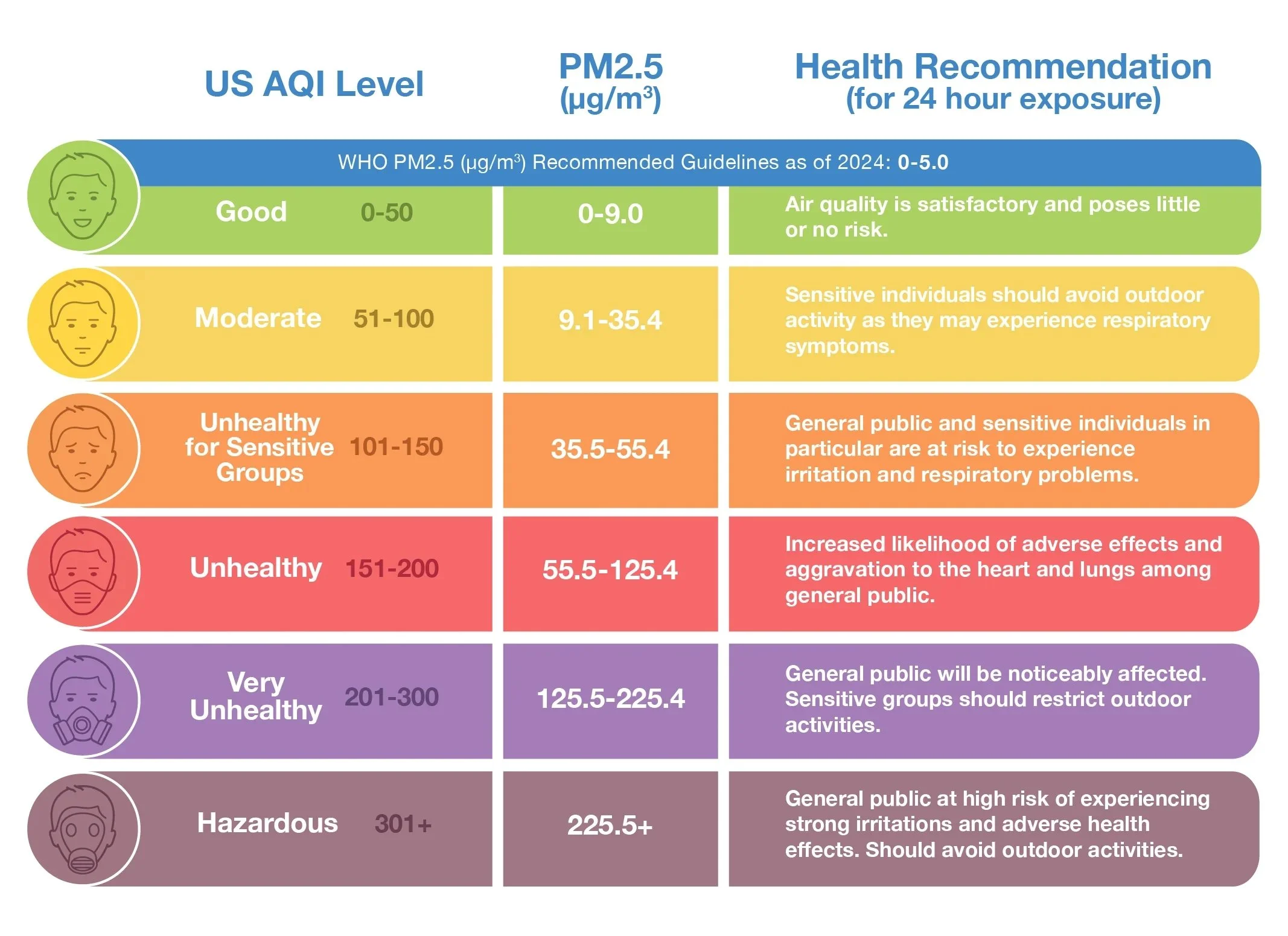
The U.S. Air Quality Index (AQI) is EPA's tool for communicating about outdoor air quality and health. The AQI includes six color-coded categories, each corresponding to a range of index values. The higher the AQI value, the greater the level of air pollution and the greater the health concern. For example, an AQI value of 50 or below represents good air quality, while an AQI value over 300 represents hazardous air quality.
-
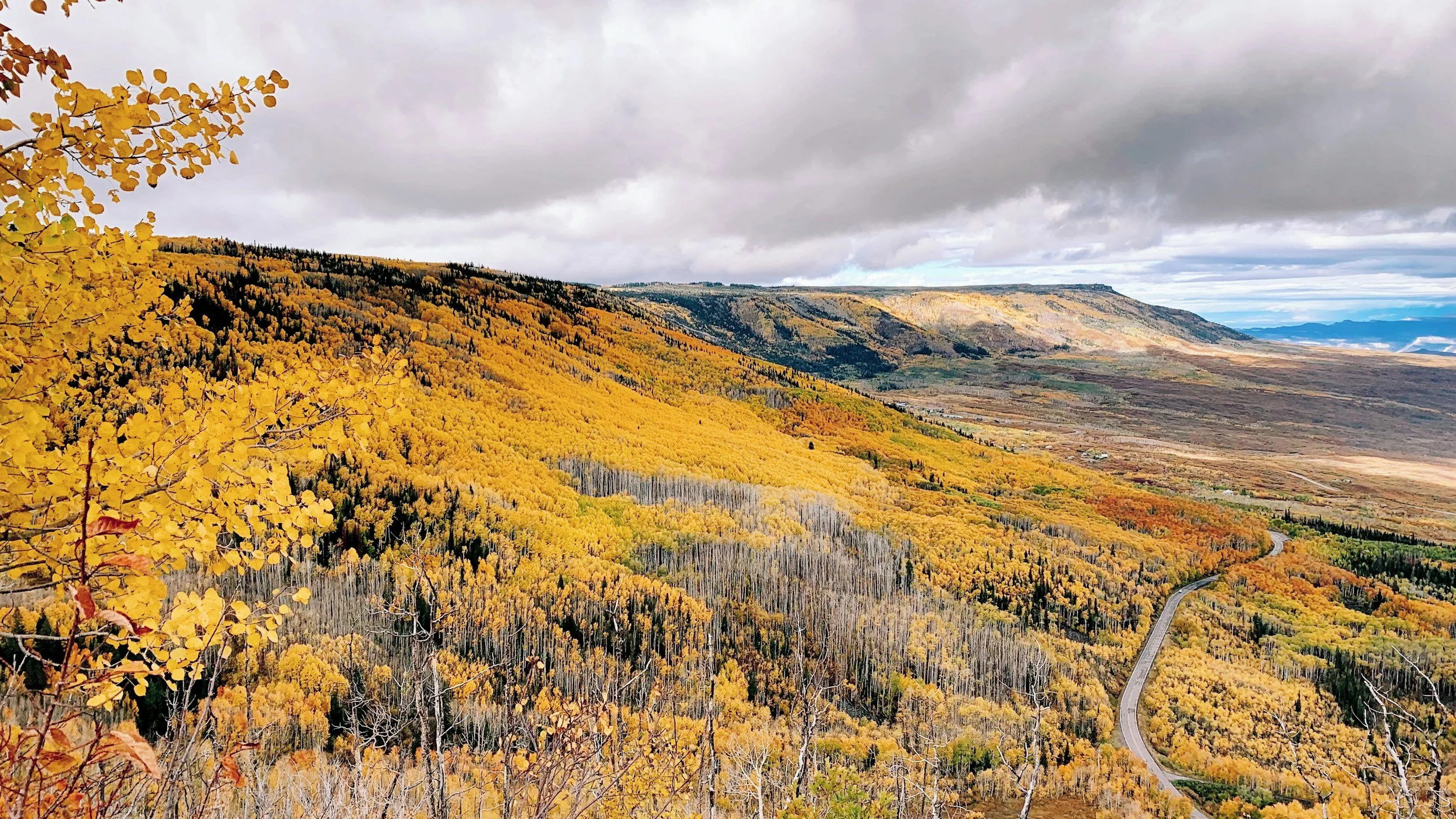
Air quality in the Grand Valley varies from season to season and can vary from the morning to the afternoon. The geography of the Grand Valley, with the high peaks of the Bookcliffs to the north and Grand Mesa to the east, trapping air and pollutants in a cool layer of air below a warm layer of air. This can commonly occur in the winter.
-
Air quality can impact everyone a little differently. Age, genetics, lifestyle, health status, and other factors also play a role in how exposure to a pollutant impacts an individual.
Agriculture can also experience impacts from air quality. Livestock can be impacted by smoke and other pollutants while crops may experience reduced yield, reduced soil health, and water quality impacts.

Clean Air Quality Resources
Air Pollution Control
Citizens for Clean Air - Mesa County
EPA - Agriculture and Air Quality
Mesa County Air Quality Information