|
Mesa Conservation Connection ͏ ͏ ͏ ͏ ͏ ͏ ͏ ͏ ͏ ͏ ͏ ͏ ͏ ͏ ͏ ͏ ͏ ͏ ͏ ͏ ͏ ͏ ͏ ͏ ͏ ͏ ͏ ͏ ͏ ͏ ͏ ͏ ͏ ͏ ͏ ͏ ͏ ͏ ͏ ͏ ͏ ͏ ͏ ͏ ͏ ͏ ͏ ͏ ͏ ͏ ͏ ͏ ͏ ͏ ͏ ͏ ͏ ͏ ͏ ͏ ͏ ͏ ͏ ͏ ͏ ͏ ͏ ͏ ͏ ͏ ͏ ͏ ͏ ͏ ͏ ͏ ͏ ͏ ͏ ͏ ͏ ͏ ͏ ͏ ͏ ͏ ͏ ͏ ͏ ͏ ͏ ͏ ͏ ͏ ͏ ͏ ͏ ͏ ͏ ͏ ͏ ͏ ͏ ͏ ͏ ͏ ͏ ͏ ͏ ͏ ͏ ͏ ͏ ͏ ͏ ͏ ͏ ͏ ͏ ͏ ͏ ͏ ͏ ͏ ͏ ͏ ͏ ͏ ͏ ͏ ͏ ͏ ͏ ͏ ͏ ͏ ͏ ͏ ͏ ͏ ͏ ͏ ͏ ͏ ͏ ͏ ͏ ͏ ͏ ͏ ͏ ͏ ͏ ͏ ͏ ͏ ͏ ͏ ͏ ͏ ͏ ͏ ͏ ͏ ͏ ͏ ͏ ͏ ͏ ͏ ͏ ͏ ͏ ͏ ͏ ͏ ͏ ͏ ͏ ͏ ͏ ͏ ͏ ͏ ͏ ͏ ͏ ͏ ͏ ͏ ͏ ͏ ͏ ͏ ͏ ͏ ͏ ͏ ͏ ͏ ͏ ͏ ͏ ͏ ͏ ͏ ͏ ͏ ͏ ͏ ͏ ͏ ͏ ͏ ͏ ͏ ͏ ͏ ͏ ͏ ͏ ͏ ͏ ͏ ͏ ͏ ͏ ͏ ͏ ͏ ͏ ͏ ͏ ͏ ͏ ͏ ͏ ͏ ͏ ͏ ͏ ͏ ͏ ͏ ͏ ͏ ͏ ͏ ͏ ͏ ͏ ͏ ͏ ͏ ͏
|
|
MESA CONSERVATION CONNECTIONSharing district updates and programs, local conservation resources, and upcoming events for our Western Slope community! |
|
|
MCD’s Program UpdatesDelta-Mesa Colorado Master Irrigator Grand Valley Water Committee Noxious Weed Cost Share Program (NWCSP) MCD is still accepting applications for the NWCSP. Tamarisk, Russian olive, Russian knapweed, whitetop, and other invasive weed species may be eligible for 50 percent reimbursement for treatment costs. Apply today by clicking the link above!
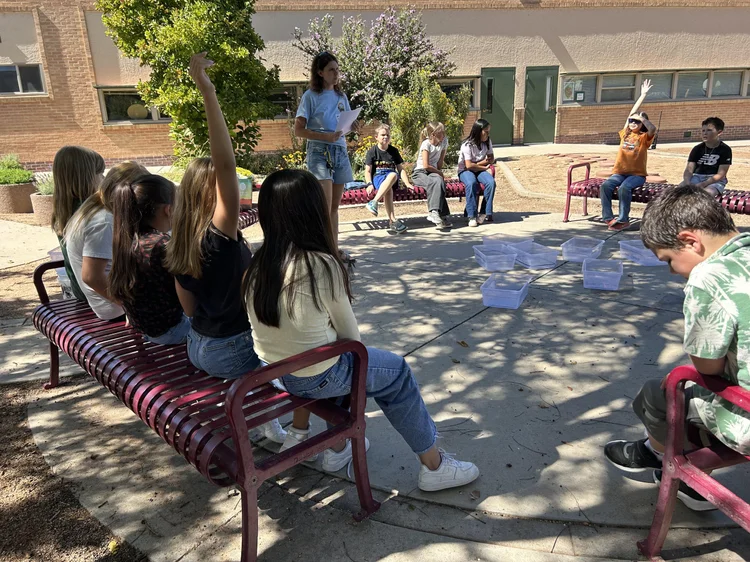
Microhabitat Program - MCD recently led 60 4th graders in a microhabitat and native plant-focused event at Orchard Avenue Elementary. MCD is also launching a StartUp Award, thanks to Village and Wilderness, for microhabitat programming.
Bureau of Reclamation, B2E “Drought Resiliency on Western Colorado Conserved Lands” in partnership with the Colorado West Land Trust (CWLT) - Coming soon
|
Tis the Season to Remove your Russian Olive and Tamarisk Trees!
|
|
|
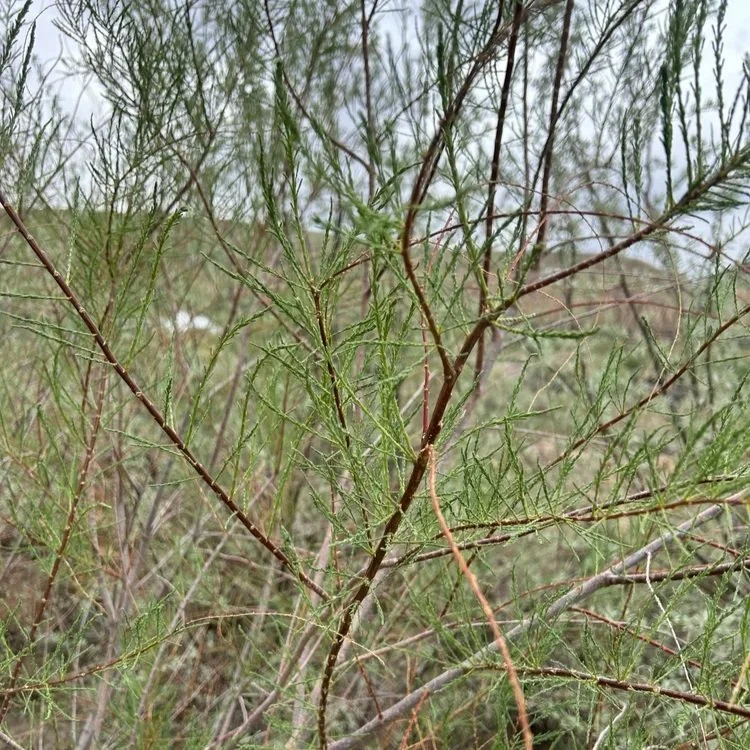
These invasive trees grow quickly, crowd out other plants, and are tough to permanently remove. Fall is one of the best times of the year to tackle them, because the trees are moving nutrients from their leaves down into their roots in preparation for winter. |
|
|
|
|
|
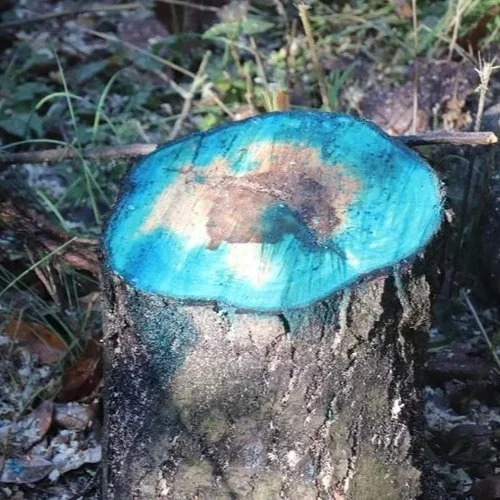
The most effective treatment is the “the cut stump method”. This entails cutting the tree a foot above ground level and applying herbicide to the outer ring of the stump within minutes so it can move into the roots. During the fall, these trees will draw the herbicide down into their roots along with their nutrients, improving treatment success. |
|
|
|
|
|
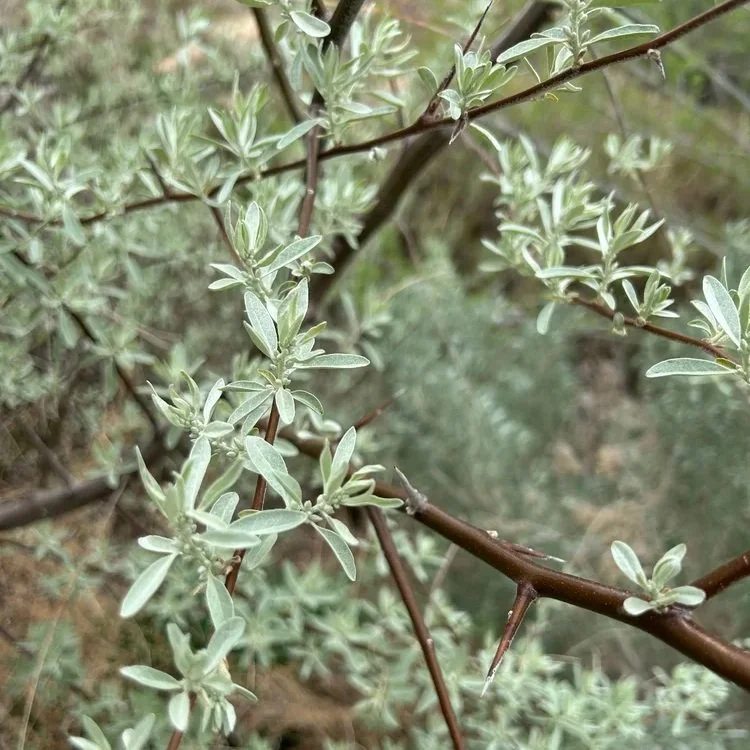
Each stem of multi‑stemmed trees must be treated, and any stump left untreated will quickly send up new shoots. After removal, keep an eye on the area for several years to catch and treat any resprouts or new seedlings. This ensures these invasive trees don’t return to dominate your landscape again. |
|
|
|
|
Russian olive and tamarisk are eligible for MCD’s Noxious Weed Cost-share program. If you are interested in treating this noxious weed this year please fill out and sign the application, and guide linked here and email it to mesaconservationdistrict@gmail.com.
|
Grand Junction Students Learn About Microhabitats and Irrigation with Mesa Conservation District
|
|
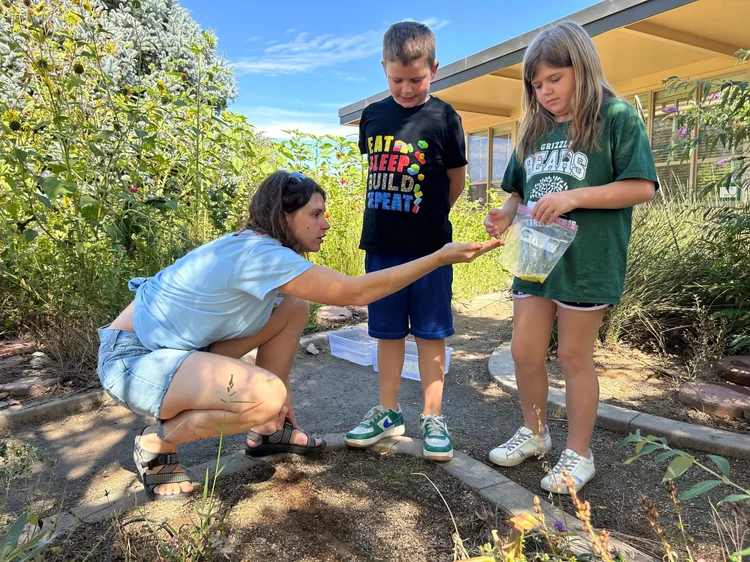
On September 21, 2026, Orchard Avenue Elementary 4th grade students explored local microhabitats, native plants, and the complexities of irrigation through hands-on activities. Thank you to the school administrators, staff and students for partnering with Mesa Conservation District. |
|
|
|
|
|
This program was supported by funding from the Colorado Basin Roundtable's Public Education, Participation, and Outreach (PEPO) Committee. |
|
|
|
|
|
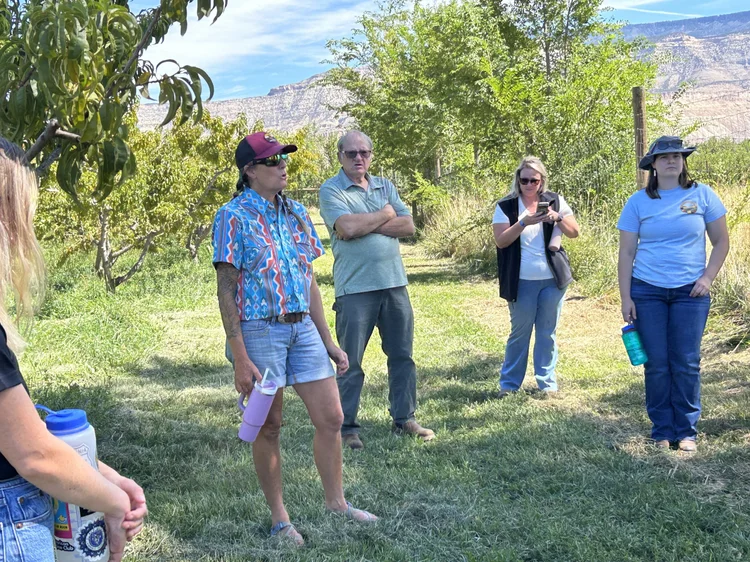
Celebrating Palisade Producers with the Colorado State Conservation BoardOn September 9, 2026, MCD helped to host the Colorado State Conservation Board annual meeting in Palisade. Our board supervisor, Brittany Dunn, led a tour at her organic peach farm. Brittany was a participant in MCD’s former soil health program. She adopted a closed-loop organic system that includes composting, which is an important practice within soil health. The Colorado Soil Health Program (CSHP) supports resilient and productive agriculture. It assists farmers and ranchers adopt practical, science-based soil health practices that improve soil function, conserve water, and support long-term farm and ranch success. Through partnerships, the CSHP helps keep Colorado’s land and communities healthy. Learn more at https://ag.colorado.gov/soil-health
|
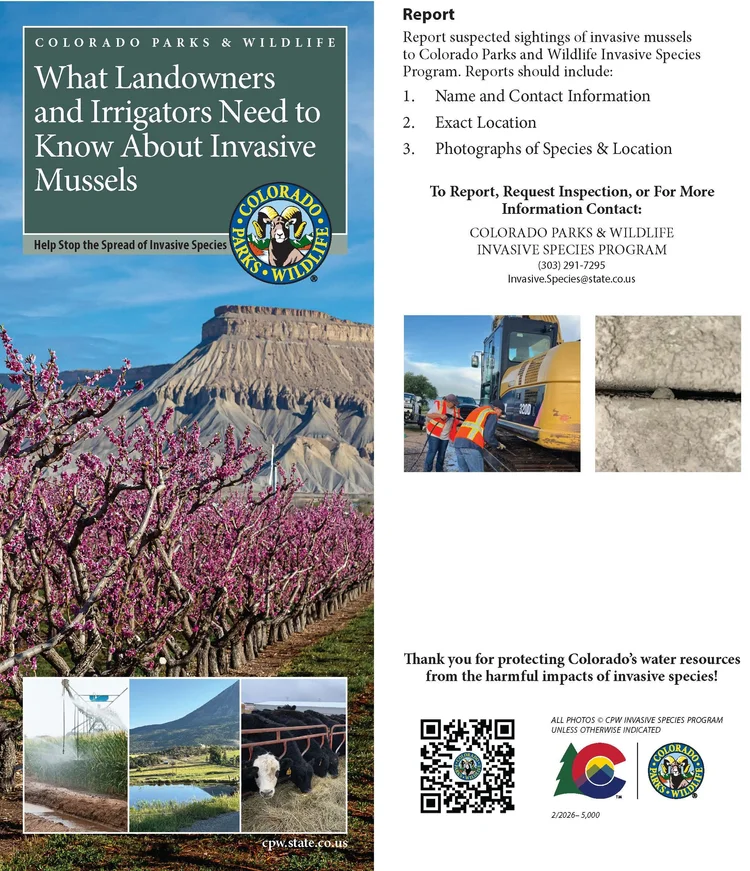
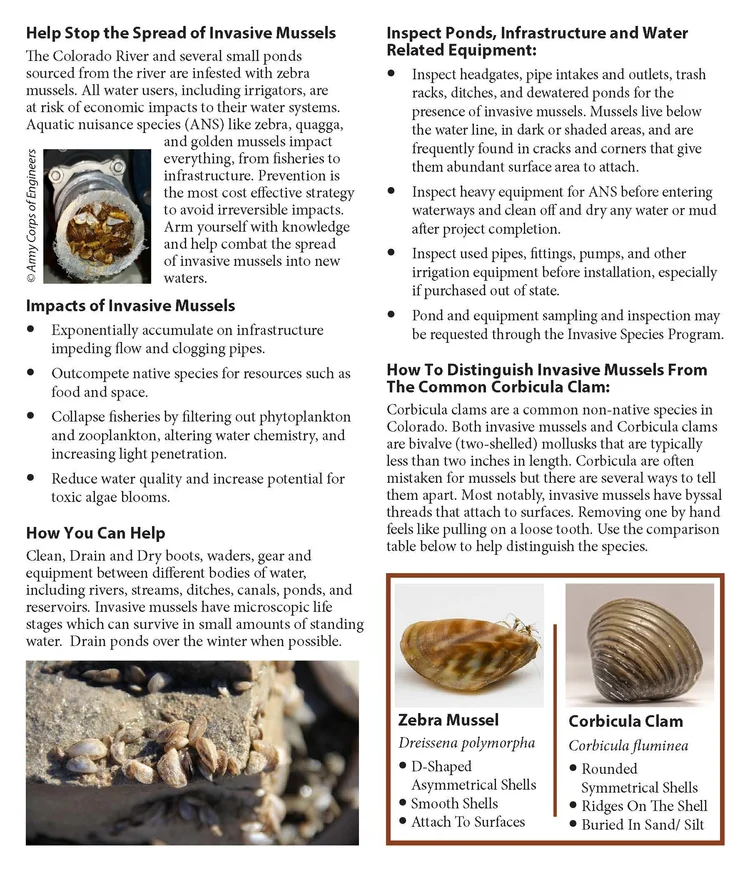
Wanted DEAD, Not AliveWith irrigation systems soon being drained for the season, it’s the perfect time for Grand Valley water users to check their pipes, headgates, and intake structures for zebra mussels. These invasive mussels attach to hard surfaces and can clog irrigation equipment, reducing water flow and causing damage. For more details on identification and who to contact if mussels are found, please refer to the Colorado Parks and Wildlife (CPW) pamphlet below.
|
Support MCD Today!There are two simple and impactful ways you can help MCD protect and conserve our priceless natural resources.
|
Shop with Purpose - Support MCD through the City Market Community Rewards program! Simply link your City Market card to MCD (organization # BH872), and every purchase you make will support local conservation efforts—at no extra cost to you. Your fuel points, discounts, and other rewards stay the same. Enroll today through City Market Community Rewards. Sign up today at City Market Community Rewards
|
|
|
|